What is the Levitical Diet?
There may be some confusion between what defines a Levitical Diet — sometimes also called a Levitican Diet — and how it is different from a Kosher diet. The principles of keeping Kosher go far beyond the principles of a Levitical Diet. Without writing a book to explain the differences (and I recommend some books at the end of this page), there are 3 principles to the Levitical Diet and they are:
- Eat only substances that God created for food. Avoid what is not designed for food.
- As much as possible, eat foods as they were created – before they were changed or converted into something humans think might be better
- Avoid food addictions. Don’t let any food or drink become your god.
The reasons our family follows these principles are easy to explain. The bottom line is that the Levitical Diet is healthier than alternative eating lifestyles (III John 1:2). However, the diet we choose for our family does not reflect judgment of what others eat or how they prepare their food. When we are guests at another person’s table, we eat whatever is offered in the spirit of hospitality and are blessed by their generosity (Romans 14:2-17). While we realize that following this diet is NOT the key to our salvation, we follow the guidelines offered in God’s word as an act of worship and faithfulness.
The Principles
1) In brief, the first principle allows for eating what the Bible calls “Clean” foods and avoiding foods that the Bible deems “Unclean.”
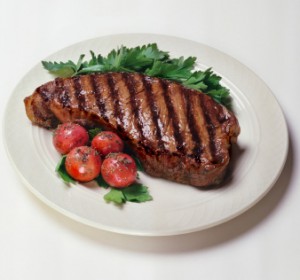 Clean foods include herbivorous animals that have divided hooves and chew cud, such as cattle, sheep, and goats (Leviticus 11:3); all fish that have fins and scales, either fresh or salt water fish, such as perch, trout, tuna, and salmon (Leviticus 11:9); birds that do not eat carrion such as chicken, pheasant, goose, duck, and turkey (Leviticus 11:13-19); a few insects (so we have something to complain about, I guess) like locusts and grasshoppers (Leviticus 11:21-22)- dried locust is nearly 75% protein which could explain how John the Baptist remained in such good health; milk (Exodus 3:8); all seed-bearing fruits, nuts, grains, and vegetables (Genesis 1:29); and honey – we purchase our honey from a local beekeeper and we try to get the comb as well. If you don’t have a source of local honey, try your best to purchase “pure honey” (Exodus 3:8).
Unclean foods include pork, kangaroo, rabbit, anything without a divided hoof and chews the cud (Leviticus 11:4-8, 26-28); fat (Leviticus 7:23); blood (Leviticus 7:26); kidneys; (Leviticus 3:4 ) bottom feeders such as catfish, oyster, shrimp, crab, lobster, shark, octopus, squid, clams, coral, and any fish that doesn’t have scales and fins; any plant that grows in 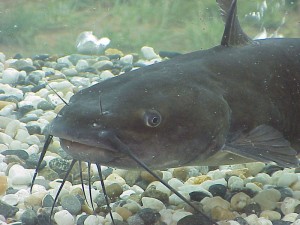 water, whether salt or fresh water, such as spirulina (algae), sea weed, kelp, and food additives such as carrageenan (Leviticus 11:10-12); birds that eat carrion such as the eagle, osprey, hawk, kite, vulture, raven, ostrich (including eggs), goat sucker, seagull, buzzard, swan, pelican, owl, carrion eagle, stork, heron, crane, hoopoe; bats (Leviticus 11:13-20); any insects that crawl, as opposed to hopping like locust and grasshopper, which makes nearly every insect off limits (Leviticus 11:23-25); rodents such as the mole, mouse, rat, and shrew; any animal torn, mangled or worried (painful death such as roadkill); any cattle dying of disease (Leviticus 11:29-43); all reptiles including turtles, lizards, alligators, and snakes (Leviticus 11:4, 10, 29, 42); and any food that has touched anything unclean, such as a mouse chewed on it (Leviticus 7:23).
The health reasons for the distinctions between clean and unclean are fairly apparent. Avoiding unclean foods means avoiding harmful toxins and possible disease. For example, unhealthy toxins are stored in the fat and removed by the kidneys of every animal. Bottom feeders were created to remove toxins from the seas and their flesh is full of unhealthy toxins and metals. There are many, many reasons to avoid pork. Pigs will literally eat anything, and pork can contain up to 30 times more toxins than beef or venison.
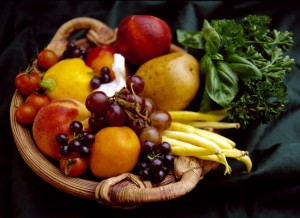 Conversely, lean meats, fruits, vegetables, nuts, whole grains, milk, and scaled fish are healthy foods in so many, many ways. The benefits of each are so plentiful, I won’t attempt to list them all, but they include: good proteins and amino acids, healthy omega-3’s and 6’s, healthy carbohydrates, and balanced measures of beneficial and soluble minerals like calcium, magnesium, and potassium.
2) As much as possible, eat foods as they were created – before they were changed or converted into something humans think might be better. There are some excellent examples of this and more and more research is showing that the further we remove ourselves from our food sources, the unhealthier we become as a result.
Consider margarine: Leviticus 7:23 prohibits eating any of the fat of even clean cattle. God noted in Leviticus 3:17 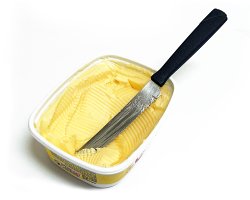 that this would be a “perpetual statute” prohibiting the eating of fat. Back in the nineteenth century, a Frenchman learned how to turn vegetable oil into an artificial animal fat substitute we know as margarine in direct conflict with the Levitical dietary law. In the last 200 years, we have changed our diets and our lifestyles so much that we have caused an epidemic of cancer, obesity, diabetes, hypertension and heart disease. Angina pectoris has only been described in the English medical literature for the last 200 years. Two hundred years before, NONE of these diseases or conditions existed at all or in any appreciable numbers.
Consider unfermented soy. In recent studies, even the National Institute of Environmental Health Sciences (NIEHS) has listed unfermented soy as an Endocrine Disrupting Chemical (EDC) meaning it contains natural hormones that emulate human hormones, the consumption of which can lead to obesity, infertility, genital malformation, reduced male birth rates, precocious puberty, miscarriage, behavior problems, brain abnormalities, impaired immune function, various cancers, and cardiovascular disease. The American Heart Association (AHA) recently withdrew support for any definitive health claims related to soy protein and coronary conditions.
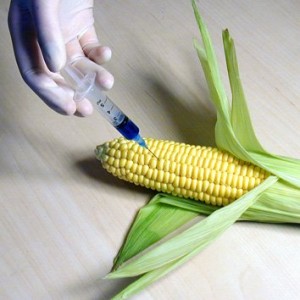 Consider genetically modified or engineered foods (GMOs or GEOs) many of which are sterile and thus are not “seed-producing” which has been linked to a variety of health concerns including many of the same problems with unfermented soy.
Consider high fructose corn syrup, added to literally everything from ketchup to cough syrup, which shuts down the human metabolism and has been linked to high blood pressure.
Consider enriched bleached, white flour” which contains none of the healthy oils or nutrients of whole grains and is enriched with industrial grade chemicals.
Consider that it is highly unlikely that you will ever encounter any health problems as a result of preparing and eating unmodified “real” foods. You won’t live forever, but you will certainly live longer and better as a result.
 3) The final principle, that of not making any food or drink or any diet or eating lifestyle into an idol, is a bit subjective but also not difficult to integrate into our eating lifestyle. Some things which can become too important include alcohol, caffeine, and sweets (Ecclesiastes 10:17). Devoting too much energy or too much of your finances to purchase exclusively this or that kind of food is also a danger, especially if you place more financial importance on that practice than on, for instance, offering a tithe (1 Corinthians 10:31). If rich delicacies or rarities rank high on your dietary priority list, this can also present a risk (Proverbs 23:1-3).
One way to break food addictions or binge cycles, a method which also has definite health benefits, is fasting. According to recent studies, Americans in particular rarely if ever experience real hunger anymore. Essentially, we have not yet digested our last meal before we have already eaten our next meal. Therefore, we never feel hungry. A short fast, such as a “daylight” fast can offer time for prayer and meditation and alert you to certain unhealthy cravings or food attachments. If you take no food or drink, or else only allow for drinking pure water, during the hours of daylight, coupled with prayer, your body can send you signals of certain foods which have become too important. This is particularly true of caffeine and alcohol.
A prolonged fast, such as the Daniel’s Fast, also offers time for prayer and meditation while weaning your body of possibly dangerous addictions to any but “clean” foods.
References
There are MANY really good references for this diet. The best, most complete, and most comprehensive text is found in the first five books of the Holy Bible, Genesis through Deuteronomy, also called the Torah which means “the Law”.
More explanatory texts are plentiful. We are blessed today in that there are entire books written around the subject of the Levitical Diet and they are inexpensive, and readily available. A few of the books I can personally recommend include:
 |
The Maker’s Diet: The 40-day Health Experience That Will Change Your Life Forever |
| By Jordan S. Rubin / Siloam | |
| After winning his battle with debilitating Crohn’s disease, Rubin has devoted his life to developing natural ways to overcome illness. Offering a new perspective on well-being, he examines historically healthy cultures; diet secrets and nutrition principles, including sources of whole foods that heal; and fitness protocols needed to restore and maintain strength and energy. 336 pages, softcover from Strang. | |
| –//– | |
 |
The Great Physician’s Rx for Health and Wellness: Seven Keys to Unlock Your Health Potential |
| By Jordan Rubin & David M. Remedios M.D. / Thomas Nelson | |
| Now in paperback, The Great Physician’s Rx for Health & Wellness offers seven keys to unlocking your health potential along with a 50-day health plan. Author of the bestseller The Maker’s Diet and survivor of a debilitating disease, Jordan shares with readers the keys that brought him total recovery that are for anyone desiring to live an abundant life of health and wellness. Trade Paper. | |
| –//– | |
 |
What the Bible Says About Healthy Living: 3 Principles That Will Change Your Diet and Improve Your Health |
| By Rex Russell, M.D. / Gospel Light | |
| Learn how to make wise decisions regarding what you put in your mouth and lose weight naturally. In What The Bible Says About Healthy Living, Dr. Rex Russell combines biblical wisdom with modern-day science to create a foundational health plan that will put you on the path toward living a healthy lifestyle. Foreword by Dr. Jordan Rubin. Paperback. | |
| –//– | |
|
|
What the Bible Says About Healthy Living Cookbook |
| By Hope Egan & Amy Cataldo with Forward by Rex Russell, M.D. / Heart of Wisdom | |
| “I am enthusiastic in my recommendation of the What the Bible Says about Healthy Living Cookbook. It is, in many ways, the long-awaited companion to my book, What the Bible Says about Healthy Living.” –Rex Russell, M.D. author of What the Bible Says About Healthy Living“These simple to prepare recipes should inspire anyone who wants to honor their body-God’s Temple-and feed their family from a biblical perspective.” –Jordan Rubin–author of The Maker’s Diet. | |
| –//– | |
|
|
What Would Jesus Eat? The Ultimate Program for Eating Well, Feeling Great, and Living Longer |
| By Don Colbert, M.D. / Thomas Nelson | |
| Makes a compelling case for Christians to use the blueprint of this appetizing spin on traditional faith-based diet books to develop a healthier lifestyle using foods available today. “If you truly want to follow Jesus in every area of your life, you cannot ignore your eating habits,” postulates Colbert.Examines America’s alarming addiction to fast food, explores Old Testament Jewish dietary laws, and takes a comprehensive look at foods mentioned in the Bible, from herbs to bread to meat. To this information Colbert adds a healthy serving of Scripture references, mixes in a few anecdotes, and finishes the book with an easy-to-follow weekly eating guide. | |
| –//– | |
 |
The What Would Jesus Eat Cookbook |
| By Don Colbert, M.D. / Thomas Nelson | |
| In this book, you’ll discover an enormously effective – and delicious – way of eating based on biblical principles. You’ll find that you can lose weight , prevent disease, enjoy more balanced meals, and attain vibrant health by changing the way you eat. A companion to the bestselling What Would Jesus Eat?, this cookbook offers inspired ideas for good eating and good living. |



Not like I should.
The way pigs (and other unclean animals) were designed is to absorb all of the toxins into their flesh and fat. Even if you fed them only filtered water, organic fruit and vegetables, they would still be absorbing toxins from the environment. I just avoid all unclean foods whenever possible.
Hallee, you have clearly and concisely written my views! Thank you for being obedient to the Lord and answering all of these questions with grace and biblical authority. I’ve never been able to state my views as clearly as you did.
What about Acts 10:9-16? God showed Peter a vision of many “unclean” animals and told him that what God had sanctified we are not to call unclean. It is probably more healthy to eat a Levitical diet, but as far as it being a present day biblical mandate I cannot agree with that one. I applaud all who hold high standards in their diet for our present culture makes it hard to do. I myself am trying to get back to the basics more. It helps that I am staying in a foreign country right now. Fresh fruits, veggies, and meat are at the market every morning. For pretty good prices too.
Dear Readers,
I believe that baptism in symbolic and we should do it, but I do have a couple of questions for those who believe that it is a command to follow in order to have salvation. What about the thief on the cross who Jesus said that he would see him in paradise? I am a missionary in Asia and we have many youth here who have gotten saved, but their parents will not allow them to be baptized. Does this mean that they will not go to Heaven? It is true that after you confess your sins you should get baptized, but I cannot agree that you must be baptized in order for your salvation to be complete.
Everything I’ve read has suggested that Acts 10:9-16 was that Peter’s vision was directly about him associating with Gentiles. Immediately after his vision, he was summoned by a Gentile (Cornelius), whom God had sent to him. He went with this man, stayed in his house, ate his food. In the same chapter of Acts, Peter said, “He said to them: ‘You are well aware that it is against our law for a Jew to associate with a Gentile or visit him. But God has shown me that I should not call any man impure or unclean. So when I was sent for, I came without raising any objection. May I ask why you sent for me?'”
That said, I think that Acts 15 directly speaks to non-Jews and what to follow within the law. The Council at Jerusalem wrote a letter to the church at Antioch. Verses 24-30 say: We have heard that some went out from us without our authorization and disturbed you, troubling your minds by what they said. So we all agreed to choose some men and send them to you with our dear friends Barnabas and Paul— men who have risked their lives for the name of our Lord Jesus Christ. Therefore we are sending Judas and Silas to confirm by word of mouth what we are writing. It seemed good to the Holy Spirit and to us not to burden you with anything beyond the following requirements: You are to abstain from food sacrificed to idols, from blood, from the meat of strangled animals and from sexual immorality. You will do well to avoid these things. Farewell.
I think that is much more to the point than Acts 10.
As far as it being a present-day Biblical mandate, I don’t necessarily agree with you. I do know that my salvation is NOT contingent upon what I eat and how I treat my body. But I also know that in Leviticus, God said that some meat was unclean and not to eat it – and He is the same God yesterday, today, and tomorrow. It isn’t “probably” more healthy to eat a Levitical diet – it absolutely is more healthy to eat a Levitical diet. And why wouldn’t God want us to be more healthy?
I would LOVE to live in a culture where you had to hit the market daily for fresh food to cook. I tire of seeing processed food on the shelves here.
I would like to more about placing the “green” foods of the waters as unclean. I have never thought of this before.
Also, have you ever thought about soaking meat to get all the blood out?
I have also heard to only eat well done meat for the same reason.
Very well articulated!
I want to express my appreciation for the sharing of your diet. It is written in such a clearly concise manner that I will be sharing it as a link with our Re-GAIN facebook community.
Blessings to you and your family!
Hi Hallie,
Thanks for this post. My mother and I also decided to abstain from pork initially for health reasons, but lately, through prayer and meditation, I was also convicted to abstain from it in the spirit of obedience and praise to God for giving us the Bible as a sole authority to everything that concerns us, including health..
I also wrote an article on this item…http://nanaymiriam.wordpress.com/2012/01/26/no-contradictions/
By the way, I linked your blog to my blog, hoping that my mother could also read about your articles about submission regardless of what the husband is doing..
regards,
Lanie
I will be praying that your mother finds conviction. Thank you so much for the link.
Briefly reviewing this article I was greatly impressed with your vitalistic way of eating. As a fledgeling doctor of chiropractic and a person that takes pride in what my family and I consume, I continue to be inspired with folks that live a lifestyle such as yourself. This is a great article that points out commonly consumed foods that should not be eaten in a non confrontational way. My favorite on your list that is to be steered clear from is margarine. I often times find people never have known the truth with that product. It is a difficult thing to be told something you have always done is wrong but we need to adapt and make changes, even myself! Thanks
Hello Hallee and Gregg!
I just recently found your blog through a Pinterest post. Your blog is probably one of the most awesome “finds” that I’ve found! I truly believe that He led me here for encouragement and help. Our Creator has really been dealing with me as a (newlywed) wife and mom to my young son on being the keeper of our home, especially in the way we eat. My husband is quite set in his ways on how he eats, (but is usually willing to try new things—at least once HaHa!) but I am going to try to slowly incorporate healthier foods into our daily lives. This is a scary and daunting task for me as I work at 12 hour night shifts as an RN. I thoroughly enjoyed reading Hallee’s testimony as it is similar to my life in some ways. Thank you for following His leading and allowing Him to use your family in such a special way. God bless!!
Becky
Thank you so much for such encouraging words. God always sends someone my way when I need encouragement the most.
I’m so happy you found us!
Hallee
I’ve just finished reading “What the Bible Says About Healthy Living” and found it a very interesting read. I already knew much of the information shared in the book, but I learned a lot as well. I’m researching more healthful eating for my family and appreciate the information and insight you share!
Do you eat eggs? I don’t see them mentioned anywhere above, although perhaps I missed it. My search of the bible only turned up this, which seems to me to indicate that eggs are equated with a “good gift.”
Luke 11:11-13 11 “Which of you fathers, if your son asks for[f] a fish, will give him a snake instead? 12 Or if he asks for an egg, will give him a scorpion? 13 If you then, though you are evil, know how to give good gifts to your children, how much more will your Father in heaven give the Holy Spirit to those who ask him!”
Yes, we eat the eggs of common fowl. We prayerfully believe that we may eat any part of the birds that do not eat carrion such as the eagle, osprey, hawk, kite, vulture, raven, ostrich, goat sucker, seagull, buzzard, swan, pelican, owl, carrion eagle, stork, heron, crane, or hoopoe.
.
We do not eat the eggs of reptiles or amphibians, nor the eggs of any fish which do not have both fins and scales in their adult form. However, the eggs of fish which have both fins and scales are acceptable.
I just found your site today while looking for homemade fabric softeners, and decided to read on your diet while I was hear. I want to commend you for one specific thing. Throughout this page you have repeatedly mentioned that you are not legalistic and, more importantly, that this is your diet and that you do not push it on others, and you eat what you are served. Thank you for your consistency measured with your acceptance of others. We all should learn to have your attitude when we are convicted of something in our lives that does not make or break the salvation of ourselves or others. I have been trying to live by a motto for dealing with others, which I heard long ago: before you act or speak, consider first: Does this have eternal consequences? If it does not, then don’t sweat it.
What is your opinion on wheat? How does it fit in with principle 2? I have been reading a lot of things lately about wheat having been hybridized and that is no longer good for you. Supposedly it applies to organic wheat as well as conventional. I read that it it has been genetically changed ( not considered GMO) to produce higher yields and is no longer the wheat that God created for us. I am so confused.
I am so confused as well. Some say eat lots of grains including wheat and you don’t need to soak them, and others say limit grains or don’t eat grains at all, while some say, eat grains but they must be soaked. It is very confusing. Is there anything in the bible that says grains should be soaked or sprouted?
There is nothing in the Bible regarding that.
However, I’ll tell you that because of the way grain was ground into flour, with stone grinding, the flour in Biblical times was likely extremely coarse. To make bread rise, they probably did soak their grains just to prepare the grains for bread baking. Also, a sourdough method of leavened bread was very common in that time, so that yeast could be attracted from the air.
I don’t soak my grains on any level like other bloggers think I should. I do not like the taste or feel of sprouted grain products, either.
greg,
There is more reference through out scripture that clean foods are better. Remember Jesus was Jewish so were all the apostles especially Paul. This reflects that they would not come into the Temple with uncleaness. Please understand our Greek-roman mind set in the US has been scewed to the fleshly desires for what we want not what G-d Himself prescribed.
IF ANY ONE WANTS TO KNOW WHAT GOD’S WORD SAYS IN THE NEW TESTAMENT, READ ACTS: 10 VERSES 9-16. THE PASSAGE TELLS THAT THINGS THAT WERE UNCLEAN TO EAT, ARE NOW CLEAN TO EAT, BECAUSE THE LORD HAVE GOD HAS CLEANSED THEM. THE APOSTLE PETER HAD A VISION OF A CERTAIN VESSEL DESCENDING TO HIM AS A GREAT WHITE SHEET.
THE NT ALSO STATES THAT EVERYTHING IS TO BE RECEIVED WITH THANKSGIVING. AND OF COURSE, NATURAL AND WHOLELY PURE FOODS ARE GOOD FOR THE BODY;WHICH, IS THE TEMPLE OF THE HOLY SPIRIT.
Awesome blog, Hallee and Gregg! I have really enjoyed this thread (the first of yours that I have read) and I’d like to add a link to it in the Hebrew Roots section of my website (http://www.home-and-school-solutions.com/HR/hebrew-roots-section-map.htm)–or perhaps the health section…whenever I can find the time to update it.
I think you’ve got an excellent handle on the whole issue of what I would rather call a “biblical diet” since it is not limited to the Levites. (By the way, you might want to check the spelling of that on your signature line–“Levitcal” is not correct.) The way I look at it is this: as believers in the Messiah we have been grafted into His family, and thus are expected to follow the family rules. We don’t keep the rules to get into the family; we follow them because we are part of the family and we want to have a good relationship with the Father and our “siblings.” Who would knowingly make himself objectionable to the Father he loves? Jesus/Yeshua modeled appropriate family behaviour and we are to do as He did.
Kudos!
Thank you for your comment! I’m happy you found me.
.
Actually, when we first started this diet, we called it Levitican — just a made up word about a diet we felt personally convicted to follow. When we set up this blog and started creating this page that contained information about our diet, we discovered that Levitican is not a word — and that Levitical IS:
.
Levitical or Levitic (lɪˈvɪtɪk ə l)
.
— adj
1. of or relating to the Levites
2. of or relating to the book of Leviticus containing moral precepts and many of the laws concerning the Temple ritual and construction
.
Hence our use of the term.
Hallee,
I just wanted to tell you that what you’re are doing with your children’s diets is so worth it! My kids are now 39, 36 and 33. All three of them have told me how much they appreciate us as parents because we didn’t allow them to have junk food, sweets, or eat between meals. We explained those things were not good for you and offered much tastier alternatives.
At 10 years old, our youngest daughter was asked which she wanted candy or green bell pepper strips. She replied, “Pepper, of course!” Our oldest daughter, when she was 3 was given candy by a kind-hearted man who thought she was being deprived. She smiled sweetly and thanked him. Then she went into another room and promptly dropped the candy in the trash can. He saw her and marveled about that the rest of his life.
This daughter told me not long ago, “Mom, I am SO thankful that you raised us the way you did and that we don’t have that junk food struggle that so many people seem to have.” We also did not eat between meals or allow the children to do so. They have all thanked us for that training as well.
Keep up the good work! It really does pay off.
Hallee, I know this is an old post, but I have recently discovered it, and needless to say, I’m very intrigued. A “so-so” Christian for many years, I am now coming into the Word in a very real way, as I am determined to raise my daughter in God’s light. I am starting to actually live with conviction the things I believe. Your site, and specifically the way you view the foods you prepare and eat, have really opened my eyes to a perspective I never saw before.
I am also a very skeptical person. I research everything, and take nothing as truth unless KNOW it to be. To that point, I LOVE that you support just about everything you believe and say on your site with references to actual references.
Keep up the good work! You can be sure I will be following your tips. Your generosity helps many, and is a blessing to everyone.
Katie — Thank you so much for the awesome comment. My husband and I are ONE in this endeavor and we have really learned so much. If you are looking for just a few beginner books to get you started, I would really recommend “The Abs Diet” or “The Abs Diet for Women” which are secular resources but very clear and scientific about how our bodies were designed to eat. Then I would recommend “What the Bible Says about Healthy Living” for an entry point into a clean eating lifestyle. I found Rubin to be much more advanced but still good. All the Sue Gregg cookbooks are WONDERFUL and, honestly, the blender waffles are some of the best tasting things I have ever eaten in my life.
.
God Bless you and thanks again,
Hallee
Hi Hallee and Gregg. I want to first thank you both for this website. I had made the decision to change my diet in the new year to the foods that God has said are clean and safe to eat, and in perusing the ‘net for info, I found this website. Excellent posts, and I LOVE the fact that you have recipes posted as well. My question concerns the eating of fat. I know that many have asked, but I just can’t seem to get clear with it. I know that Leviticus 7:23-25 states that we “Shall eat no fat, of ox, sheep or goat”. Are you applying that rule to the fat of all animals that are clean to eat? And if so, is it possible to buy meat with NO fat? How would you best suggest to shop (other than buying as lean a cut as possible) and then remove the fat? This diet will be a big change for me, having grown up loving pork and seafood, but I feel directed to make this change as I continue down my path of trying to be a better Christian. Any advice is appreciated. Thank God for you both and for this awesome website!
Loving this post and all the comments. Learning a few things; getting convicted on the pork thing, the last Gentile stronghold on my spirit and taste buds. With regard to fats, Elijah was commanded to instruct the woman in despair to make them cakes of flour and oil, and Elijah ate them. Clearly, there is more to the meaning of the commands, as you have rightly mentioned. There is so much in Scripture that bears enlightenment; I continue to delve into the Word to discern the nuances for my life. Thank you for your boldness and sharing in a wonderful way.
I stumbled upon your blog while googling for some way to use pumpkin during my (first) Daniel Fast. Thank you for sharing your blog. It has given me much food for thought. (insert smile here). I want to continue to honor God in my life including my eating as an act of worship. God bless your family and your ministry!
Thank you for this beautiful page. I still have few questions though. Can we eat mushrooms, butter, margarine, and yellow cheese. Thanks.
I am extremely curious as to why (and how) kangaroo is banned? Kangaroo is high in protein, lean, and has been used as a food source by Aboriginals for centuries, at the same time, it is highly unlikely that any biblical figures would have come in contact with it, so it probably isn’t specifically named as ‘unclean’ (I could be wrong). In Australia it is arguably the most ethical choice due to it’s low environmental impact.
…Whatever has a divided hoof, which is clovenfooted, and also chews the cud, among the animals, that you shall eat.
Kangaroo does not chew its cud and does not have a cloven hoof, so its meat is not considered ‘clean’.
MYRA says:
04 Jul 2012 at 12:18
IF ANY ONE WANTS TO KNOW WHAT GOD’S WORD SAYS IN THE NEW TESTAMENT, READ ACTS: 10 VERSES 9-16. THE PASSAGE TELLS THAT THINGS THAT WERE UNCLEAN TO EAT, ARE NOW CLEAN TO EAT, BECAUSE THE LORD HAVE GOD HAS CLEANSED THEM. THE APOSTLE PETER HAD A VISION OF A CERTAIN VESSEL DESCENDING TO HIM AS A GREAT WHITE SHEET.
THE NT ALSO STATES THAT EVERYTHING IS TO BE RECEIVED WITH THANKSGIVING. AND OF COURSE, NATURAL AND WHOLELY PURE FOODS ARE GOOD FOR THE BODY;WHICH, IS THE TEMPLE OF THE HOLY SPIRIT.
Myra, above, is mistaken. The events Peter was apart of in Acts 10 and 11 happened 10 years after Christ’s assumption. Not one apostle had been told to begin eating unclean animals–not one verse or saying of Christ can be quoted. We must believe that Jesus overturned His dietary laws and never told his most trusted followers before he left them! Remember, he was on earth 40 days after the resurrection! Peter at first thinks the vision is about animals and food but then the Holy Spirit continues to work. Peter explains the vision himself in the two chapters–God is speaking of men! Men are not to be counted unclean because they are non-Jews. This is the story of Cornelius and his family receiving the Holy Spirit.
Another point about Myra’s reference to 1 Timothy 4:3-4
The passage is addressing teachings that would command Christians to become vegetarians and remain celibate. Paul confirms these man-made traditions to be the doctrine of devils.
Another point, Paul explains meat to be “created to be received with thanksgiving of them which believe and know the truth.” Of course this is true. God created many animals and plants for the consumption of mankind–many plants and animals he created for other purposes–not our consumption. This is abundantly clear in Leviticus 11 (the laws given by Christ as to what animals are created for mankind’s food. In Leviticus, God expresses his revulsion toward men who make themselves abominable by contaminating themselves with consuming unclean creatures. He states, “be ye holy for I the Lord your God am holy.” Do we not desire to be holy like our God?
Peter tells believers, “13Wherefore gird up the loins of your mind, be sober, and hope to the end for the grace that is to be brought unto you at the revelation of Jesus Christ; 14As obedient children, not fashioning yourselves according to the former lusts in your ignorance: 15But as he which hath called you is holy, so be ye holy in all manner of conversation [behavior, way of life]; 16Because it is written, Be ye holy; for I am holy.
Yes! Peter quotes God’s holy dietary law as a definition of holy–he tells them to eschew their “former lusts” which they held in the ignorance of their former pagan lives.
Just a few thoughts.
Please read my comments above in reply to Myrna’s misunderstanding of Paul and Peter’s teaching on clean animals and Jesus’ dietary laws.
I really think you would like the Ayurvedic diet. Much like yours, it is only foods God created. But, it caters to everyone’s mental and physical constitutions, as no two people are alike. There are three physical constitutions, three mental constitutions, but most people fall under two. You will be born with the constitution that will carry through your entire life, naturally; as well as the mind-type that you were born with, that will carry through your entire life. That is what Ayurvedic diet is created for. One constitution body is always going to be naturally thinner/gaunt, one will be naturally larger/rounder and one is in-between, being medium build.
It’s scary to think of the amount of toxins people consume when they truly believe they are eating ‘healthy’ foods :(